Car Maintenance Mistakes That Are Quietly Costing You Money
Most people treat their car the same way they treat their health. Ignore it completely until something goes wrong then panic and spend whatever it takes to fix it.
It is an understandable approach. Cars are complicated maintenance schedules are easy to forget and as long as the thing starts in the morning it is tempting to assume everything is fine. The problem is that by the time something makes itself obvious a warning light a strange noise a car that suddenly will not start the simple preventable issue has usually become an expensive one.
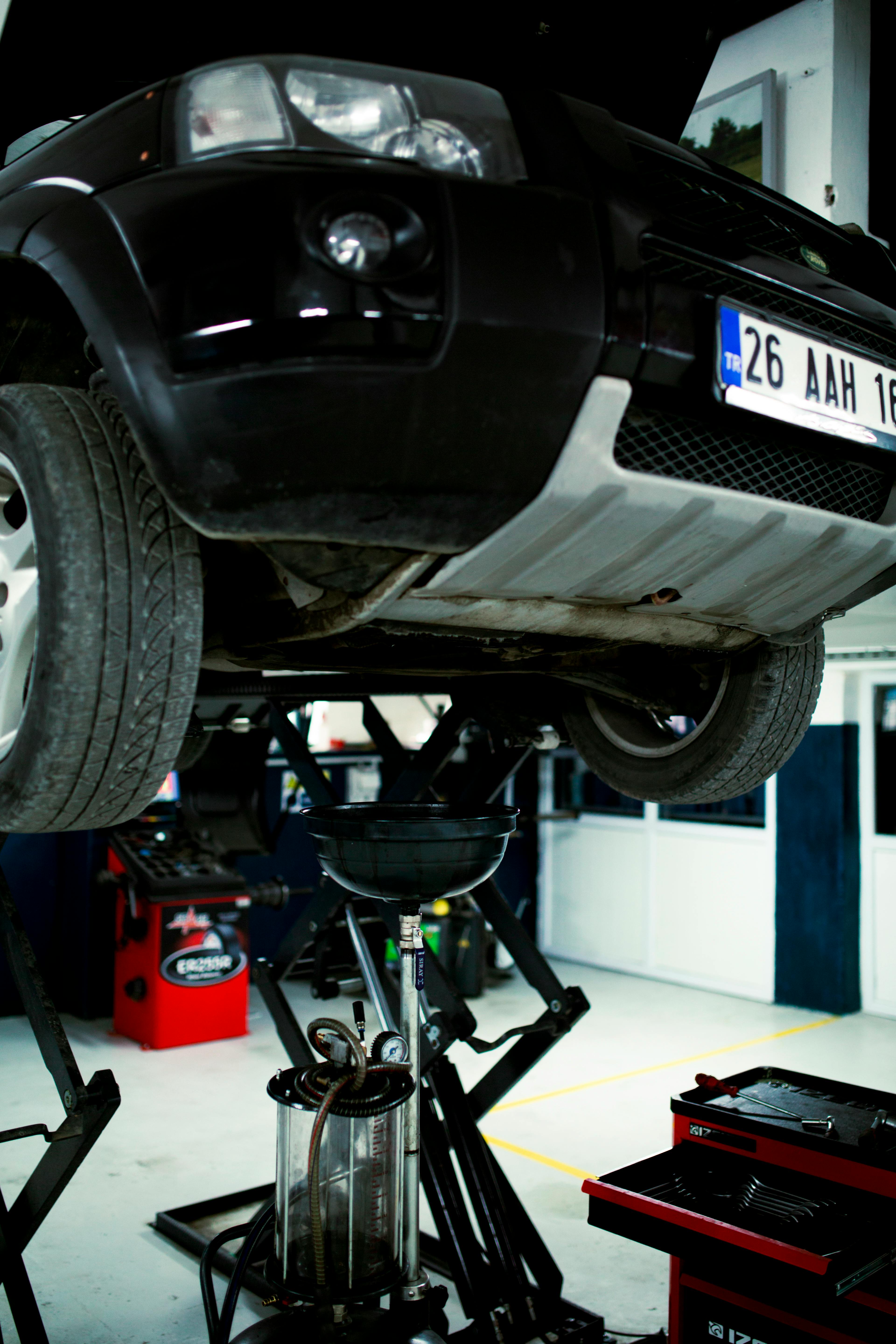
The image above shows a car lifted on a service ramp with an oil drain pan positioned underneath. It is a routine scene in any decent garage. What makes it interesting is that the majority of the people who bring their cars to that lift waited longer than they should have. Not out of negligence exactly just out of not knowing what actually matters and what can wait.
Here is what actually matters
Oil Changes Are Not Optional and Intervals Matter
Engine oil is what keeps your engine alive. It lubricates moving metal parts that would otherwise grind against each other carries heat away from critical components and keeps the engine running cleanly. When oil degrades which it does over time and mileage regardless of how the car is driven it loses its ability to do those jobs properly.
Driving on old oil does not cause a dramatic instant failure. It causes gradual cumulative damage that shortens engine life over months and years. The engine works harder than it needs to. Wear accelerates in ways that are invisible until they are not.
The old rule of every 3000 miles is outdated for most modern vehicles. Current manufacturer recommendations for most cars are between 5000 and 10000 miles depending on the engine and oil type. Full synthetic oil extends intervals further. Check your owners manual rather than following a blanket rule.
What you cannot do is simply ignore it. An oil change is one of the cheapest services a car receives. The engine it protects is one of the most expensive things to replace. That math is not complicated.
Tyres Tell You Everything If You Bother to Look
Tyres are the only part of your car that actually touches the road. Everything the suspension brakes and steering do is transmitted through four palm sized contact patches of rubber. The condition of your tyres affects everything else.
Tread depth matters for obvious reasons worn tyres cannot disperse water properly in wet conditions which means stopping distances increase dramatically and the risk of aquaplaning rises. Most countries have legal minimums for tread depth but the practical safety threshold is higher than the legal one. If your tread indicators are visible you are already in degraded performance territory.
Tyre pressure matters too and most people check it far less often than they should. Under inflated tyres wear unevenly reduce fuel efficiency and handle poorly. Over inflated tyres have a smaller contact patch and less grip. Both conditions compromise safety in ways that are entirely preventable with a two minute check.
Check your tyre pressure monthly. Check tread depth every few months. These are not mechanical tasks they require no tools beyond a tyre pressure gauge that costs almost nothing.
Brakes Do Not Fail Suddenly
Brake failure is genuinely rare. What actually happens is that brakes degrade gradually and people ignore the signals until the degradation has progressed far enough that the repair is significantly more expensive than it needed to be.
Brake pads have wear indicators built into them specifically to warn you before they reach metal on metal contact. The sound is a high pitched squealing when you apply the brakes. That noise is not an annoyance it is the system telling you the pads need replacing.
If you ignore that and keep driving the sound changes to grinding. At that point the pads are gone and the caliper is contacting the rotor directly. You now need new rotors in addition to pads which doubles or triples the cost of what would have been a straightforward service.
Brake fluid also degrades over time and absorbs moisture from the atmosphere. Old brake fluid has a lower boiling point which can cause brake fade under heavy use. Most manufacturers recommend replacement every two years regardless of mileage.
Pay attention to what your brakes are telling you. The signals are clear if you listen.
Coolant and Fluids That People Forget Exist
Engine coolant prevents your engine from overheating in summer and freezing in winter. It does not last indefinitely. The additives that prevent corrosion within the cooling system break down over time and degraded coolant can cause scale buildup and corrosion that damages radiators water pumps and hoses.
Most manufacturers recommend coolant changes every two years or every 30000 miles depending on the type used. It is a service that gets skipped far more often than it should because nothing obviously goes wrong until it does usually in the form of an overheating engine at the worst possible moment.
Transmission fluid power steering fluid and differential oil are in the same category. None of them require attention often but all of them have service intervals for good reason. Checking them periodically and replacing on schedule prevents component failures that are far more expensive than the fluid itself.
Air Filters Are Cheap and People Never Change Them
Your engine needs clean air to run efficiently. The air filter prevents dust debris and particles from entering the engine. Over time it gets clogged restricts airflow and forces the engine to work harder to pull in the air it needs.
A clogged air filter reduces fuel efficiency can cause rough idling and in severe cases affects engine performance noticeably. It is also one of the simplest and cheapest services on any car many people change their own in ten minutes with no tools.
The cabin air filter is equally neglected and affects the air quality inside the car as well as the performance of the heating and air conditioning system. If your climate control is not performing as well as it used to a blocked cabin filter is often the reason.
When to Use a Garage and When to DIY
Some maintenance genuinely requires professional equipment. Anything involving the brake hydraulics suspension geometry or lifting the car safely falls into this category. The image above is a good example of why proper oil changes on many vehicles require the car to be safely elevated and doing this incorrectly is dangerous.
Other things are straightforward enough that doing them yourself saves money without meaningful risk. Checking and topping up fluids replacing air filters changing wiper blades checking tyre pressure. None of these require mechanical expertise. They require knowing where things are in your car which the owners manual tells you.
The useful rule is that if a service primarily requires tools you do not own and skills you have not learned use a garage. If it requires a few minutes basic supplies and information you can find in minutes of reading doing it yourself is worth considering.
For anyone researching car maintenance tools products and garage equipment worth having at home Dealnario covers practical tech and home improvement options that make routine maintenance easier and less expensive over time.
The Actual Cost of Ignoring Maintenance
A full annual service on most cars costs somewhere between 150 and 400 depending on the vehicle and what is included. An engine rebuild or replacement costs several thousand. A transmission rebuild is similar. New brake rotors because worn pads were ignored for too long adds unnecessary cost to what should have been a cheap job.
The pattern is consistent across every component. The maintenance cost is predictable small and controllable. The repair cost that results from skipping maintenance is unpredictable large and usually arrives at a bad time.
Regular maintenance is not about being overly cautious. It is about keeping predictable small expenses from becoming unpredictable large ones. That is just sensible ownership and it applies to every car regardless of age or mileage.
It is an understandable approach. Cars are complicated maintenance schedules are easy to forget and as long as the thing starts in the morning it is tempting to assume everything is fine. The problem is that by the time something makes itself obvious a warning light a strange noise a car that suddenly will not start the simple preventable issue has usually become an expensive one.
The image above shows a car lifted on a service ramp with an oil drain pan positioned underneath. It is a routine scene in any decent garage. What makes it interesting is that the majority of the people who bring their cars to that lift waited longer than they should have. Not out of negligence exactly just out of not knowing what actually matters and what can wait.
Here is what actually matters
Oil Changes Are Not Optional and Intervals Matter
Engine oil is what keeps your engine alive. It lubricates moving metal parts that would otherwise grind against each other carries heat away from critical components and keeps the engine running cleanly. When oil degrades which it does over time and mileage regardless of how the car is driven it loses its ability to do those jobs properly.
Driving on old oil does not cause a dramatic instant failure. It causes gradual cumulative damage that shortens engine life over months and years. The engine works harder than it needs to. Wear accelerates in ways that are invisible until they are not.
The old rule of every 3000 miles is outdated for most modern vehicles. Current manufacturer recommendations for most cars are between 5000 and 10000 miles depending on the engine and oil type. Full synthetic oil extends intervals further. Check your owners manual rather than following a blanket rule.
What you cannot do is simply ignore it. An oil change is one of the cheapest services a car receives. The engine it protects is one of the most expensive things to replace. That math is not complicated.
Tyres Tell You Everything If You Bother to Look
Tyres are the only part of your car that actually touches the road. Everything the suspension brakes and steering do is transmitted through four palm sized contact patches of rubber. The condition of your tyres affects everything else.
Tread depth matters for obvious reasons worn tyres cannot disperse water properly in wet conditions which means stopping distances increase dramatically and the risk of aquaplaning rises. Most countries have legal minimums for tread depth but the practical safety threshold is higher than the legal one. If your tread indicators are visible you are already in degraded performance territory.
Tyre pressure matters too and most people check it far less often than they should. Under inflated tyres wear unevenly reduce fuel efficiency and handle poorly. Over inflated tyres have a smaller contact patch and less grip. Both conditions compromise safety in ways that are entirely preventable with a two minute check.
Check your tyre pressure monthly. Check tread depth every few months. These are not mechanical tasks they require no tools beyond a tyre pressure gauge that costs almost nothing.
Brakes Do Not Fail Suddenly
Brake failure is genuinely rare. What actually happens is that brakes degrade gradually and people ignore the signals until the degradation has progressed far enough that the repair is significantly more expensive than it needed to be.
Brake pads have wear indicators built into them specifically to warn you before they reach metal on metal contact. The sound is a high pitched squealing when you apply the brakes. That noise is not an annoyance it is the system telling you the pads need replacing.
If you ignore that and keep driving the sound changes to grinding. At that point the pads are gone and the caliper is contacting the rotor directly. You now need new rotors in addition to pads which doubles or triples the cost of what would have been a straightforward service.
Brake fluid also degrades over time and absorbs moisture from the atmosphere. Old brake fluid has a lower boiling point which can cause brake fade under heavy use. Most manufacturers recommend replacement every two years regardless of mileage.
Pay attention to what your brakes are telling you. The signals are clear if you listen.
Coolant and Fluids That People Forget Exist
Engine coolant prevents your engine from overheating in summer and freezing in winter. It does not last indefinitely. The additives that prevent corrosion within the cooling system break down over time and degraded coolant can cause scale buildup and corrosion that damages radiators water pumps and hoses.
Most manufacturers recommend coolant changes every two years or every 30000 miles depending on the type used. It is a service that gets skipped far more often than it should because nothing obviously goes wrong until it does usually in the form of an overheating engine at the worst possible moment.
Transmission fluid power steering fluid and differential oil are in the same category. None of them require attention often but all of them have service intervals for good reason. Checking them periodically and replacing on schedule prevents component failures that are far more expensive than the fluid itself.
Air Filters Are Cheap and People Never Change Them
Your engine needs clean air to run efficiently. The air filter prevents dust debris and particles from entering the engine. Over time it gets clogged restricts airflow and forces the engine to work harder to pull in the air it needs.
A clogged air filter reduces fuel efficiency can cause rough idling and in severe cases affects engine performance noticeably. It is also one of the simplest and cheapest services on any car many people change their own in ten minutes with no tools.
The cabin air filter is equally neglected and affects the air quality inside the car as well as the performance of the heating and air conditioning system. If your climate control is not performing as well as it used to a blocked cabin filter is often the reason.
When to Use a Garage and When to DIY
Some maintenance genuinely requires professional equipment. Anything involving the brake hydraulics suspension geometry or lifting the car safely falls into this category. The image above is a good example of why proper oil changes on many vehicles require the car to be safely elevated and doing this incorrectly is dangerous.
Other things are straightforward enough that doing them yourself saves money without meaningful risk. Checking and topping up fluids replacing air filters changing wiper blades checking tyre pressure. None of these require mechanical expertise. They require knowing where things are in your car which the owners manual tells you.
The useful rule is that if a service primarily requires tools you do not own and skills you have not learned use a garage. If it requires a few minutes basic supplies and information you can find in minutes of reading doing it yourself is worth considering.
For anyone researching car maintenance tools products and garage equipment worth having at home Dealnario covers practical tech and home improvement options that make routine maintenance easier and less expensive over time.
The Actual Cost of Ignoring Maintenance
A full annual service on most cars costs somewhere between 150 and 400 depending on the vehicle and what is included. An engine rebuild or replacement costs several thousand. A transmission rebuild is similar. New brake rotors because worn pads were ignored for too long adds unnecessary cost to what should have been a cheap job.
The pattern is consistent across every component. The maintenance cost is predictable small and controllable. The repair cost that results from skipping maintenance is unpredictable large and usually arrives at a bad time.
Regular maintenance is not about being overly cautious. It is about keeping predictable small expenses from becoming unpredictable large ones. That is just sensible ownership and it applies to every car regardless of age or mileage.

0 Comments